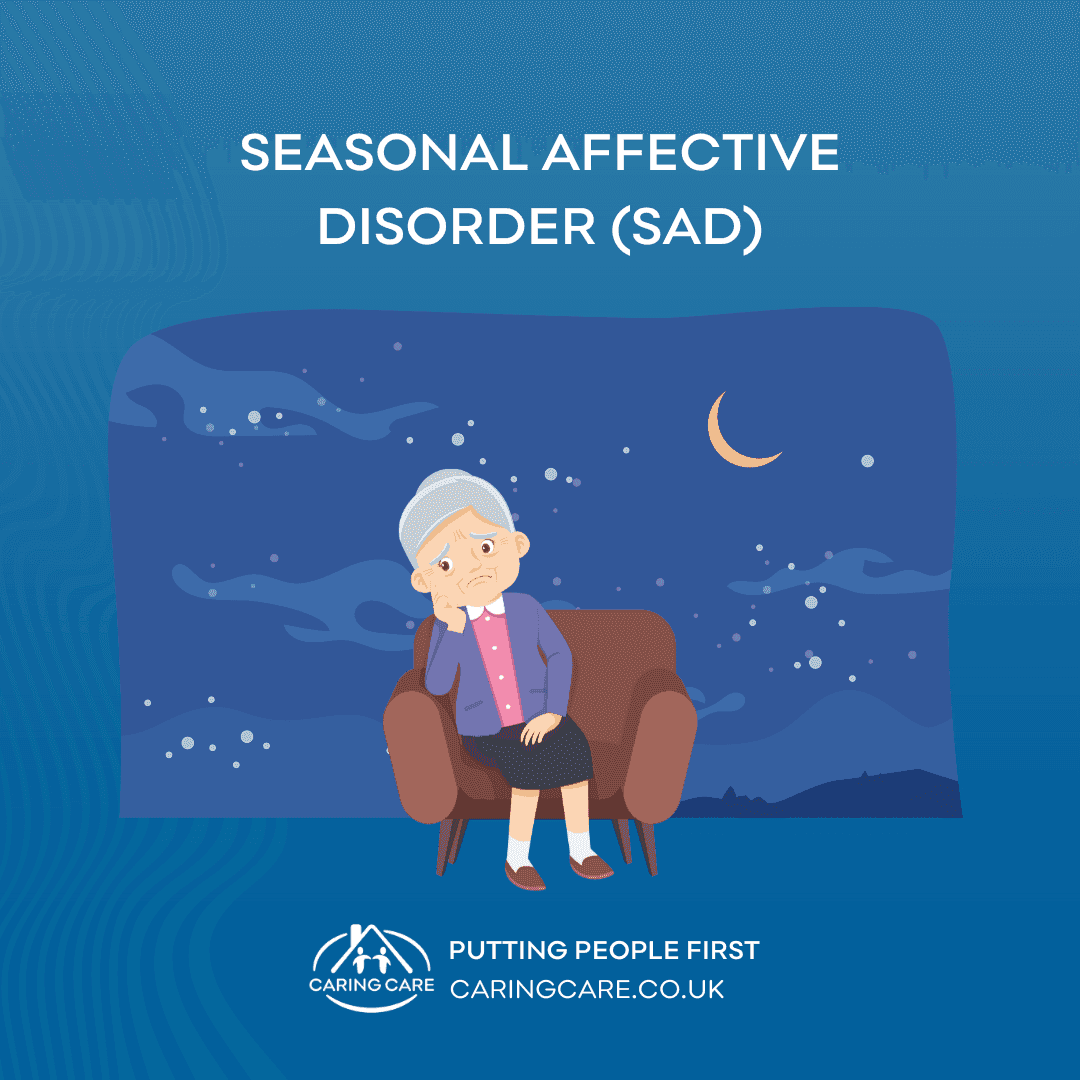
Understanding SAD and Its Impact in Winter
As the colder months set in, many people experience a shift in their mood and energy levels. This can sometimes be attributed to Seasonal Affective Disorder (SAD)—a form of depression that typically occurs during autumn and winter due to reduced sunlight. For older adults, the effects of SAD can be even more challenging, as shorter days, colder temperatures, and isolation can impact their emotional and physical well-being.
How Home Care Can Support Those Affected by SAD
Home care services can provide valuable support for individuals experiencing SAD, ensuring they remain safe, comfortable, and engaged throughout the season.
1. Ensuring Warmth and Comfort
Older adults are more vulnerable to the cold, which can worsen feelings of discomfort and fatigue. A home carer can help maintain a warm and comfortable environment by ensuring proper heating, providing warm meals, and encouraging the use of layered clothing and blankets.
2. Promoting a Healthy Diet
Good nutrition plays a key role in managing SAD symptoms. Home carers can prepare balanced meals rich in vitamins and omega-3 fatty acids, which are known to support mental health. Encouraging regular hydration and warm drinks like herbal teas can also contribute to overall well-being.
3. Encouraging Social Interaction
One of the biggest challenges in winter is social isolation, which can worsen seasonal depression. A home care provider offers companionship and emotional support, ensuring clients have regular interaction and engagement. Whether it's sharing a meal, playing games, or simply having a conversation, social connections can greatly improve mental health.
4. Supporting Daily Routines and Light Exposure
Maintaining a structured routine is essential for those experiencing SAD. Home carers can help establish consistent sleeping and eating schedules, encouraging healthy habits. Additionally, they can support light therapy by ensuring clients receive exposure to natural daylight through walks outside or by sitting near windows.
5. Encouraging Gentle Physical Activity
Exercise is a proven way to boost mood and energy levels. A home carer can encourage light exercise, such as stretching, chair exercises, or short walks, tailored to the individual’s ability. This helps improve circulation, reduce stiffness, and promote overall well-being.
Why Choose Caring Care for Home Care Support?
At Caring Care, we prioritise the well-being of our clients by offering compassionate home care services tailored to their unique needs. Whether it’s meal preparation, companionship, or emotional support, our professional carers are dedicated to ensuring a safe and comfortable winter for your loved ones.
If you or a family member need home care support during the colder months, visit our Knowledge Hub for more helpful resources or contact us today.
BLOGS
Our Latest Blogs

Sometimes It's the Smallest Gestures That Make the Biggest Difference
The biggest moments in home care are not the big moments. A reflection on the small gestures that quietly turn a visit into proper care — and what we look for when we hire.

Behind Every Care Visit: Meet the Team Making Caring Care Run
A look at the carers, office team, supervisors, trainers and managers behind every Caring Care visit — and an invitation to families and would-be carers in the West Midlands.

Donating Easter Eggs to Well Wishers, the Charity Behind Walsall NHS Trust
This Easter, Caring Care donated Easter eggs to Well Wishers, the official charity of Walsall NHS Trust — and a quick look at why we keep showing up for our local community.